Your fence should work with your yard, not just look good in a product photo. The right design depends on your privacy needs, household routines, property layout, and plans for the space. Start by deciding what matters most, then compare materials, gate options, maintenance, and total project costs. When you speak with a fence builder, ask for an itemized estimate and confirm what it covers, from site preparation to cleanup. Homeowners in O’Fallon, St. Charles, and nearby Missouri communities may also be planning pools, concrete patios, or walkways. Bringing those plans into the conversation early can help clarify project order, access needs, and how each feature will connect.
Key Takeaways
- Start with a clear fence plan: Set priorities for privacy, safety, appearance, and access, then check boundaries and local requirements before installation.
- Compare estimates by scope, not total alone: Confirm each proposal covers the same materials, measurements, gates, preparation, cleanup, schedule, and warranty terms.
- Plan connected outdoor work together: Coordinate fence placement and installation timing with pools, concrete, and landscaping to account for access and the finished yard layout.
Define Your Fence Project
Before comparing fence builders, get clear on what you need your fence to do. A brief plan helps you explain your priorities, compare estimates, and flag potential challenges early. Think about how the fence fits into your property now, as well as any outdoor projects you may add later.
Set priorities for privacy, security, boundaries, pool safety, and appearance
Start with your main reason for installing a fence. You may want more privacy around a patio, a secure space for children or pets, a clear property boundary, or a style that complements your home. If the fence will enclose a pool, include safety in your plans and check which local requirements apply.
Your priorities can affect the fence’s height, placement, style, and gate locations. Write down your must-haves and nice-to-haves before talking with builders. This gives them a clear starting point and helps you compare proposals. If you’re planning a pool, deck, or other outdoor improvements at the same time, share those details with your contractor. Burke Construction’s inground pool services offer one example of how fencing can fit into a broader outdoor project. These fence planning tips also recommend defining your goals before choosing a builder.
Consider property type, access, and future plans
Look at the features of your property that could affect installation. Slopes, trees, landscaping, sheds, and existing patios may influence the fence line or the work involved. Narrow side yards and limited equipment access can also affect how a crew moves materials around the site. Note any tight or difficult areas so you can discuss them during an estimate.
Think ahead, too. A future pool, garden, driveway, patio, or home addition could change where you want the fence or gates. Tell prospective builders about plans you’re considering, even if they aren’t part of the current project. A property planning guide can help you account for site access and future needs.
Check property records or arrange a survey to confirm boundaries
Don’t assume an existing fence marks the exact edge of your property. Review your property records and any survey documents you have before deciding where a new fence should go. If the boundary is unclear, consider hiring a licensed surveyor to confirm it.
Many fence installers rely on homeowners to provide boundary information. Ask your builder what documents they need and who will mark the proposed fence line. Confirming the boundary before work begins can help prevent disputes and reduce the risk of placing the fence on a neighbor’s property. This guide to fence property surveys explains why checking the line in advance can be worthwhile.
Compare Fence Materials and Features
The right fence depends on what matters most at home: privacy, visibility, upkeep, appearance, or cost. Think about how you use your yard and how the fence will work with other features, such as a pool, patio, or landscaping. If you’re planning several outdoor improvements, consider how the projects will fit together. Burke Construction offers fencing, pool, and concrete services in O’Fallon and nearby Missouri communities.
Choose wood for privacy and a natural look
Wood fencing offers a familiar, natural appearance and can create a private space with solid panels. It suits many home styles and landscapes, and the material may cost less upfront than some alternatives. Your final price will depend on factors such as wood type, fence height, and design.
Wood needs regular care to help it withstand moisture and weather. Depending on the product and finish, you may need to clean, stain, or seal it over time. Ask your builder which wood types and finishes are appropriate for your property, and what maintenance to expect. This homeowner’s guide to fencing outlines common considerations when choosing wood.
Choose vinyl for easier maintenance
Vinyl can be a good fit if you want a tidy, consistent look without routine painting or staining. It comes in several styles, including privacy panels and picket designs, and usually needs only occasional cleaning. That can make it appealing if you’d prefer to spend less time on fence upkeep.
Compare product quality, warranty coverage, and repair options before choosing. Vinyl may cost more upfront than some wood options, and damage might require replacing a section rather than making a small repair. Ask how the specific product is expected to perform through sun exposure and temperature changes. This guide to common fence project misconceptions discusses durability and maintenance claims to consider.
Choose chain link for practical, visible boundaries
Chain link is a straightforward way to define a property line or contain pets while keeping views open. It can be useful for larger areas where visibility matters more than privacy. Privacy slats or nearby plants can soften the view through the fence, though they will change its appearance and may add to the project cost.
Consider the fence’s purpose, location, height, mesh, and gate placement. For example, a boundary fence may have different needs from one intended to keep a dog in the yard. Ask your builder which options suit your property and how each affects the estimate. This overview of chain link fencing explains why it can be a practical choice when you want a defined boundary without blocking sightlines.
Choose ornamental metal for durability and an open look
Ornamental metal fencing, commonly made from aluminum or steel, defines an area without closing off views. Its open design can work well around a front garden, landscaped yard, or pool. Styles vary, so you can compare decorative details and panel shapes to find an option that suits your home.
Ask which metal and protective finish the estimate includes, and what care the fence may need. Check the proposed post spacing, panel strength, and gate hardware, especially if you expect frequent use. Metal fencing offers less privacy than solid panels, so you may want to pair it with landscaping if screening is a priority. This guide discusses how ornamental metal balances durability and visibility.
Compare cost, lifespan, maintenance, and privacy
Look beyond the material price when comparing fence options. Ask for estimates based on the same length, height, layout, and number of gates. Then compare installation, expected maintenance, warranty coverage, and likely repair needs. A lower initial price may mean more upkeep, while a higher upfront cost may suit you if the product lasts longer or needs less care.
Privacy is another key difference: solid wood or vinyl panels screen a yard more than chain link or ornamental metal. Slope, soil conditions, and access to the installation area can also affect the project price. Ask each builder to explain what the estimate includes and how they arrived at the total. This fence company checklist offers useful points to review as you compare materials and bids.
Consider sustainable materials and modern gate access
If sustainability is important to you, ask about responsibly sourced wood, recycled-content options, and the expected service life of each product. A fence that lasts can reduce the need for replacement, but confirm that any environmental claim applies to the specific product in your estimate.
Plan gates around how your household uses the yard. You might need a walk-through gate, a wider entrance for equipment, or a driveway gate for vehicles. Access options range from a basic latch to keypad or remote entry. For automated gates, ask about power requirements, maintenance, and what happens if the system loses power. This guide covers sustainable fence materials and gate access.
What Affects Fence Installation Costs?
Estimate costs based on length, height, material, terrain, and labor
Fence installation costs depend on the length and height of the fence, the material you choose, and the work needed to install it. Sloped ground, difficult soil, and limited access can add time and labor, while a simple layout on level ground may be more straightforward.
As a general benchmark, HomeGuide’s fence installation cost guide puts typical residential projects at $10 to $30 per linear foot. It notes that many homes need about 150 feet of fencing, with installed wood privacy, vinyl, or chain-link fences often costing $1,500 to $4,000. These are broad estimates, not a quote for a Missouri property. Ask contractors to measure your yard and price your specific layout, material, and site conditions.
Budget for gates, hardware, removal, site preparation, and access challenges
Include more than panels and posts when setting your budget. Gates, hinges, latches, and other hardware can affect the total, particularly if you need several entry points or a wide gate. Ask whether the estimate covers removal and disposal of an existing fence, clearing vegetation, and preparing the installation area. Tight access for workers or equipment may also add labor.
Custom designs, fence removal, surveys, and permits can add costs, according to HomeGuide’s cost guide. Requirements vary by location and project, so ask your contractor what applies to your property and whether you need to check with your municipality. Request an itemized estimate that identifies preparation work, materials, labor, and any optional services before you approve the project.
Compare upfront costs with maintenance and expected lifespan
A lower starting price may not represent the best value if the fence needs frequent care or repairs. Compare materials by considering installation costs, maintenance needs, durability, and the look you want. Ask contractors what routine upkeep each option requires and what factors could affect its useful life, such as weather exposure, material quality, and installation.
Review the estimate for details about materials and workmanship, and ask what the warranty covers. Warranty terms can differ, so confirm how long coverage lasts and whether it excludes certain types of damage or maintenance. When comparing proposals, consider the full scope and long-term upkeep, not just the initial total. Solano’s Fence recommends weighing quality and durability when choosing a contractor, since those factors contribute to a fence’s lasting performance and appearance.
Use a worksheet to set your budget
Before asking for estimates, write down the features you want priced. Giving each contractor the same project details makes proposals easier to compare and helps you identify where you have room to adjust the scope.
Use a worksheet to record:
- Approximate fence length and height
- Preferred material, style, and color
- Number, size, and type of gates
- Existing fence removal and disposal
- Ground preparation, vegetation clearing, or access concerns
- Potential survey or permit needs
- Materials, labor, hardware, and cleanup
- Payment schedule, warranty details, and possible extra charges
Leave space for contractor notes and questions. If your fence is part of a larger backyard project, ask how installation will fit with other work, such as a pool or concrete improvements. Request written, itemized estimates and record any agreed changes. Solano’s Fence advises homeowners to get detailed estimates and keep communication clear to help avoid costly surprises.
Choose a Fence Builder
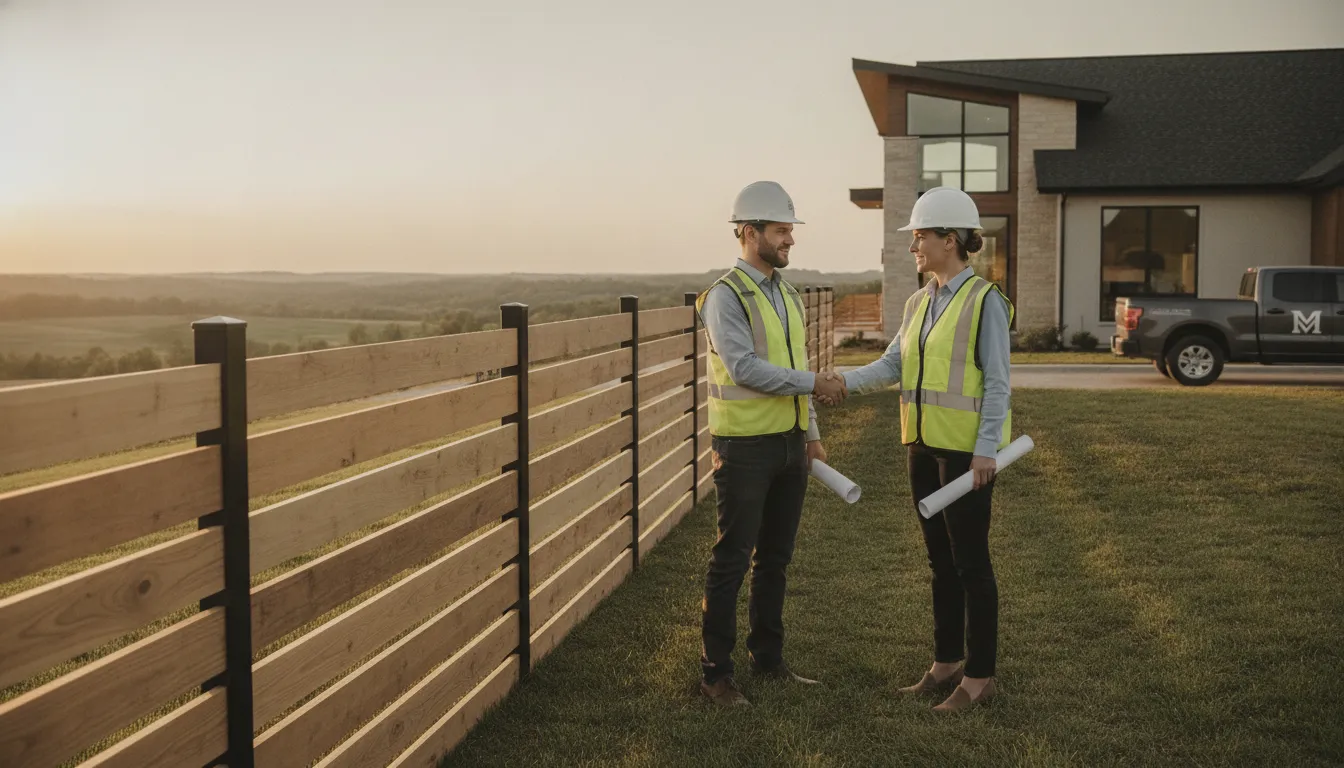
A reliable fence builder will listen to what you need, explain how the work will be done, and put the details in writing. Before hiring, check the contractor’s experience, insurance, communication plan, and warranty terms. These steps can help you compare proposals fairly and know what to expect once work begins.
Check relevant experience, credentials, and insurance
Ask whether the contractor has installed the fence style and material you’re considering, and whether they’ve worked on properties with similar conditions. Sloped ground, limited access, and an existing fence to remove can all affect the installation plan. Request proof of liability insurance and workers’ compensation coverage, and ask whether a license or registration is required for your project.
Local requirements can vary, so confirm them with your city or county. A qualified contractor should be comfortable explaining their experience and sharing relevant documents. This guide to choosing a professional fence company offers other useful points to check.
Review feedback, references, and completed projects
Read recent customer reviews to learn how the contractor handles communication, scheduling, and questions. Look for patterns across multiple reviews, rather than making a decision based on one comment. Ask for references from homeowners with projects like yours, and request photos of completed fences in the materials and styles you’re considering.
In photos, look for straight runs, sturdy-looking posts, clean transitions, and gates that appear aligned. A conversation with a past customer can offer a fuller picture of the work and service. Reviewing completed projects and customer feedback can help you compare fence contractors.
Ask who will manage installation, communication, and cleanup
Find out who your main contact will be and who will supervise the crew. Ask how you’ll receive schedule updates, how questions will be handled, and how the contractor will let you know if weather or site conditions affect the plan. Also clarify how the crew will protect nearby landscaping and where materials will be stored.
Confirm who will remove old fencing and job debris, and whether cleanup is included in the estimate. If several crews or subcontractors will be involved, ask who coordinates their work. Agreeing on these details before installation can make the process clearer for everyone and help prevent common hiring mistakes.
Compare service scope and value—not just price
A lower estimate may exclude work you expect, such as removing an old fence, preparing uneven ground, or installing gates and hardware. Compare proposals line by line, checking the material, height, length, labor, site preparation, and cleanup. Ask whether delivery, taxes, and disposal fees are included, and what conditions could lead to additional charges.
If the estimates differ substantially, ask each contractor to explain the difference. A detailed scope helps you compare like with like, instead of choosing based on the total alone. Consider how material quality, workmanship, and included services affect long-term value. This fence company hiring guide also recommends weighing the full scope of work, not just the lowest bid.
Confirm warranty coverage and exclusions for materials and workmanship
Ask for warranty terms in writing before work begins. Confirm how long coverage lasts for materials and workmanship, which issues it covers, and whom to contact if a problem arises. A manufacturer may cover the fence materials while the contractor covers installation, so make sure you understand where to direct each claim.
Check for exclusions or conditions related to maintenance, weather, soil movement, or changes made after installation. Your agreement should also spell out the project scope, materials, schedule, total cost, and payment terms. If your fence is part of a larger outdoor project, ask how the work will be coordinated with other improvements, such as a pool installation or concrete patio.
Compare Fence Estimates
Request an itemized estimate for materials, labor, and scope
Ask each fence builder for a written estimate that separates materials, labor, and other project costs. It should describe the fence style and material, estimated length and height, the work included, the expected timeline, and the payment schedule. If the contractor offers different materials or designs, request a separate price for each option so you can compare similar projects.
Review the scope from site preparation to cleanup. Ask the builder to explain any unclear wording and identify work that could change the total. A detailed written estimate gives you and the contractor a shared reference, helping prevent confusion about costs and responsibilities.
Confirm measurements, style, gates, hardware, removal, and preparation
Check that each estimate matches the fence you discussed. Confirm the measurements, height, layout, material, color or finish, and gate locations. Ask whether the price includes posts, hinges, latches, and other hardware, as well as removal of an existing fence. The estimate should also explain any site preparation, such as clearing vegetation or working around uneven ground.
Walk the proposed fence line with the builder, if possible. Point out slopes, landscaping, and narrow access areas, then ask how these conditions affect the plan and price. If a detail seems unclear or missing, ask the contractor to add it to the written estimate. That gives you a clear record of what the crew is expected to install and prepare.
Compare materials, inclusions, exclusions, and payment terms
The lowest estimate may not cover the same work or materials as the others. Compare material specifications, including grade or thickness where relevant, and check which tasks are included. One proposal might cover old-fence removal and site preparation, while another lists them as additional work. These differences can help explain a gap in price.
Review payment terms before you sign. Confirm the deposit amount, when any progress payments are due, and when the final payment is expected. Ask whether payment is tied to a project milestone, such as a final walkthrough. Clear descriptions of materials and project scope make it easier to compare value instead of focusing only on the bottom-line total.
Ask about scheduling, changes, and potential extra costs
Ask when installation is expected to begin, how long the work may take, and what could affect the schedule. Weather, material availability, site conditions, and access may change the timing. Find out how the builder will let you know about delays and who you should contact with questions during the project.
Before work starts, agree on how changes will be handled. If you request a different gate location or the crew discovers an unexpected site issue, ask whether the contractor will explain the cost and get your approval before proceeding. Clarify what may lead to extra charges, such as additional preparation or removal. A written change process helps you understand the impact on your budget and schedule before you approve new work.
Use a checklist and get verbal promises in writing
Use a checklist to compare each estimate side by side. Confirm that you understand:
- Material, style, height, measurements, and layout
- Gate locations, number of gates, and hardware
- Labor, preparation, removal, and cleanup
- Included work, exclusions, and possible added costs
- Payment schedule, estimated start date, and timeline
- Warranty coverage and the process for approving changes
Before signing, read the estimate and contract carefully. If the builder made a verbal promise about a finish, cleanup task, or schedule, ask to have it added to the written documents. This simple step keeps the agreed details in one place and gives both you and the contractor a clear reference during installation.
Prepare for Installation and Care
A smooth fence project starts before the crew arrives. Confirm local requirements and property boundaries, then agree on access, cleanup, and the work schedule with your builder. Keep the estimate and care instructions for future reference. If your fence is part of a larger outdoor project, coordinate the timing with related work, such as a pool or concrete installation. Burke Construction Inc. serves O’Fallon and nearby Missouri communities with fencing and outdoor construction services.
Check local rules and permits, and arrange utility marking
Fence requirements can vary by municipality and neighborhood. Before settling on a location, height, or style, ask your city or county whether you need a permit and whether rules apply to placement, appearance, or pool barriers. If you belong to a homeowners association, check its approval process, too. Before digging, request utility marking through the Missouri One Call System, and allow time for the markings to be completed. Confirm whether you or your builder will handle permits and the utility request. Don’t assume these steps have already been taken. This fence-planning guide offers useful questions to raise before installation begins.
Confirm property boundaries before installation
Walk the proposed fence line with your builder, but don’t use a visual estimate as proof of the legal property boundary. Check your property records, and consider hiring a surveyor if the line is unclear or the fence will be close to a neighbor’s property. Share any survey documents with your builder, then confirm where the fence will sit in relation to the marked boundary. Contractors may rely on homeowners to provide boundary information, as James River Surveying explains. Ask who will mark the line and make sure you and the builder agree on the location before digging starts. Taking this step can help prevent disputes and the cost of moving a fence later.
Agree on site access, project steps, cleanup, and responsibilities
Before installation day, decide where workers and equipment will enter and where materials can be stored. Move furniture, toys, and other belongings away from the work area, and plan how to keep children and pets clear of tools and open sections of the yard. Ask your builder to walk you through the work sequence, including removal of an existing fence, post setting, panel installation, and gate fitting. Confirm who will handle debris, leftover materials, and any damage to the yard. Also agree on how you’ll receive updates if plans change. A clear conversation can help prevent delays and confusion, as this guide to working with a fence contractor recommends.
Get the timeline, change terms, and warranties in writing
Ask for a written estimate that outlines the fence style, measurements, materials, labor, gates, removal, and site preparation. It should include the expected start date and project duration, while noting that weather or other conditions may affect the schedule. Before you sign, find out how changes to the scope, materials, or cost will be handled. Ask whether you’ll need to approve added charges before work continues, and review the payment schedule. Read the warranty details, including what’s covered, how long coverage lasts, and any exclusions for materials or workmanship. Keep the estimate, change approvals, and warranty information together. A detailed written estimate helps you and your builder share the same expectations.
Follow care instructions and inspect posts, panels, fasteners, and gates
Ask your builder for care instructions that match your fence material. Wood may need periodic cleaning or protective treatment, while vinyl and metal have different maintenance needs. Follow the recommended guidance, and check before using a cleaning product that could affect the finish. After severe weather and during routine yard work, look for loose fasteners, leaning posts, damaged or shifted panels, and wear around gates. Open and close each gate to check that it swings and latches smoothly. Address small issues early, before they become harder to repair. Your builder can explain what you can handle yourself and when to request service. This fence care advice highlights routine cleaning and seasonal gate checks as useful maintenance steps.
Coordinate Fencing With Other Outdoor Projects
Plan fencing alongside pools, concrete decks, driveways, patios, or landscaping
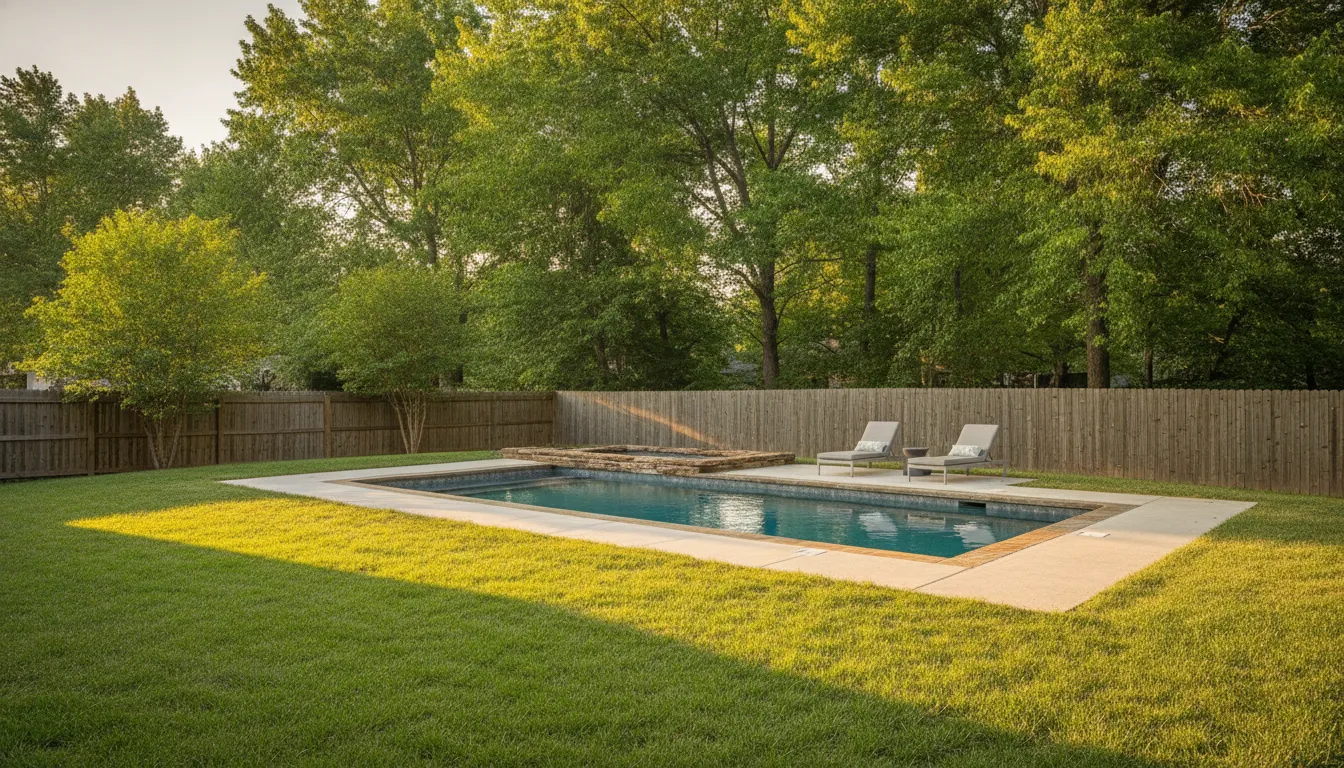
Plan the fence as part of the overall yard layout, not as a finishing touch. Its location can affect how people move between the house, patio, driveway, and pool, as well as where gates should go. Trees, planting beds, and changes in ground level may also affect fence placement. If your project includes a pool, consider the fence alongside the pool layout and deck design, and check local requirements for pool barriers before work begins.
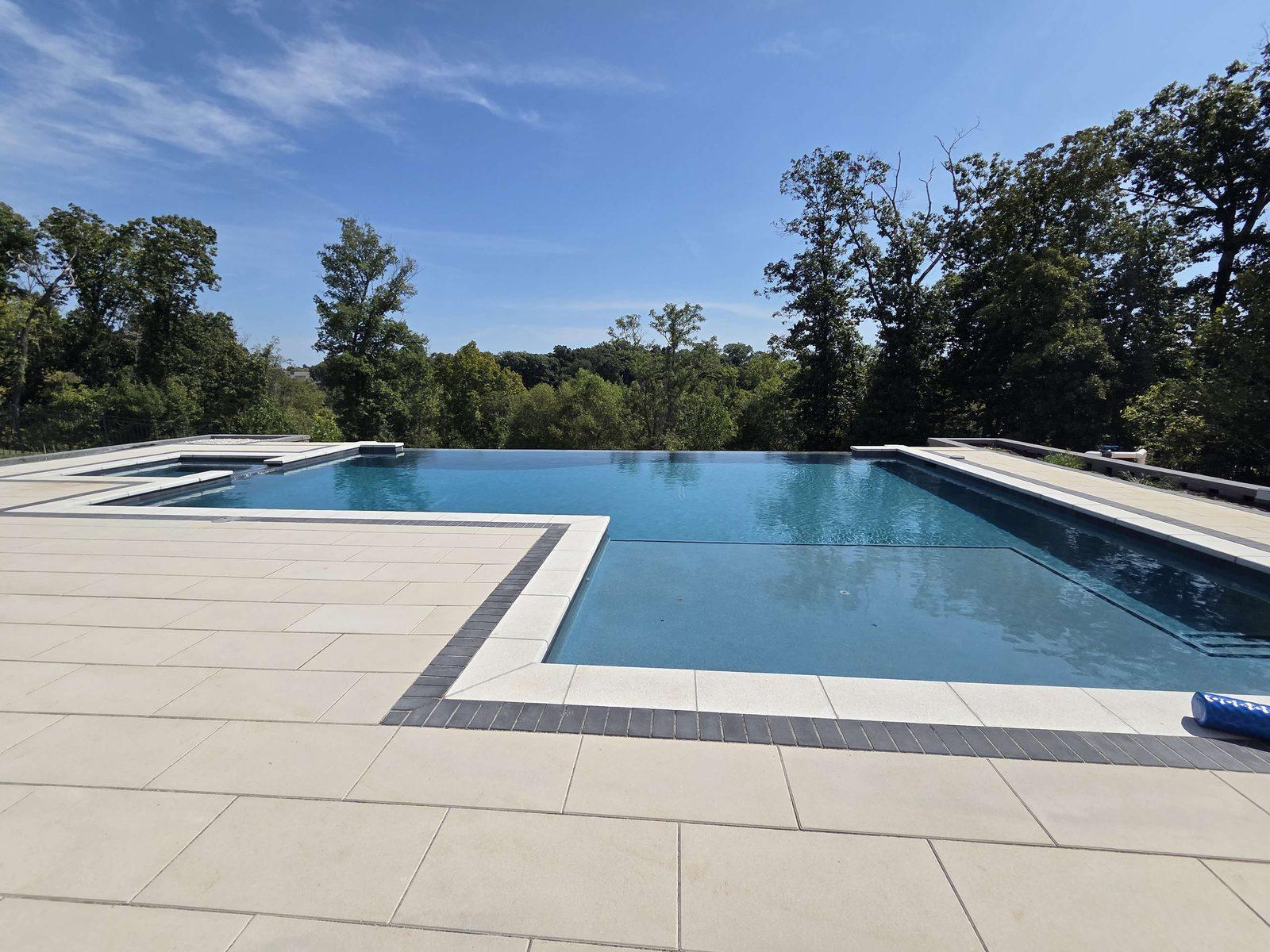
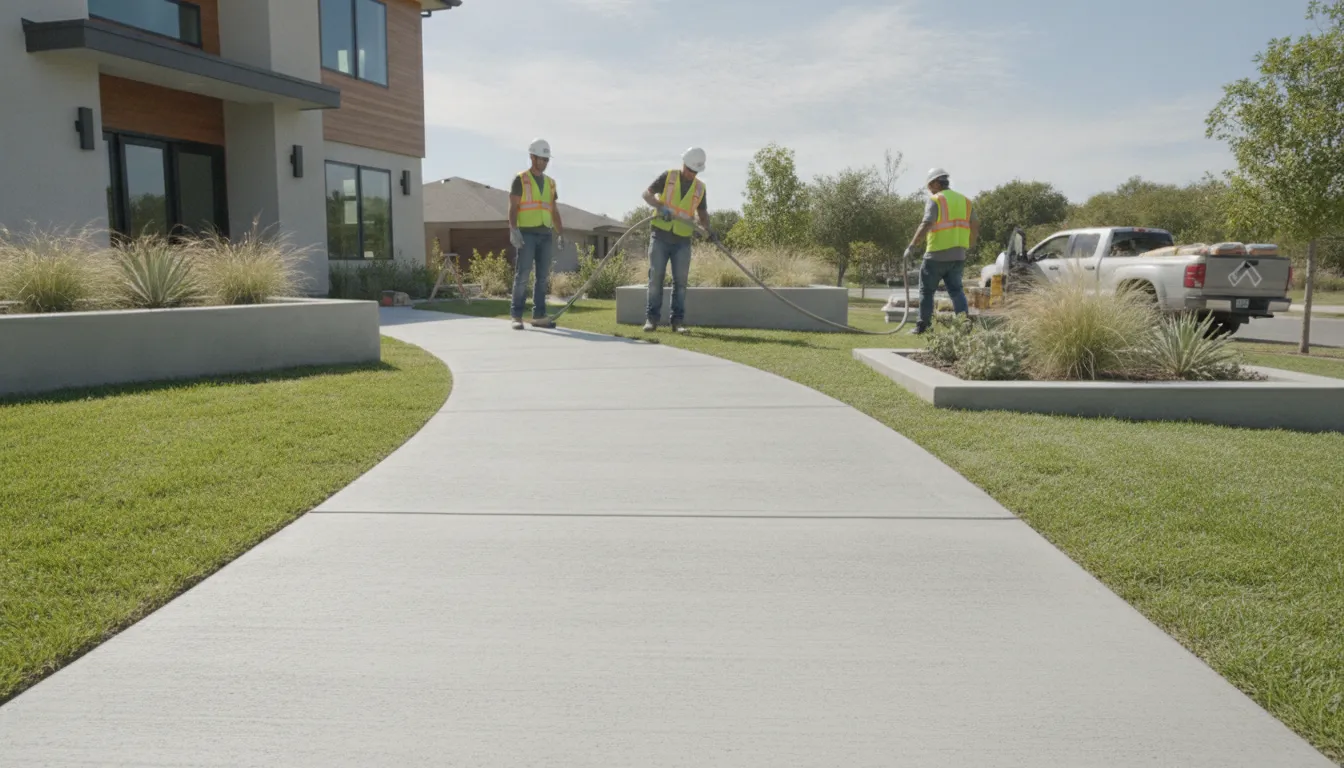
Burke Construction builds custom inground pools and installs concrete patios, decks, driveways, and walkways. Discussing these features together can help you identify layout questions early, such as how a gate will meet a patio or where equipment needs access during construction.
Discuss work order when projects overlap
When several improvements are planned for the same yard, ask the contractors to agree on the order of work before scheduling starts. The sequence will depend on the design and site conditions. For example, equipment may need access to an area before a fence is built, while concrete placement and fence-post locations may need to be planned together. Confirm the sequence with the people responsible for each part of the project.
Ask when the layout will be marked, where materials will be stored, and which areas need to stay clear. It’s also useful to know who will communicate schedule changes and how one project’s delay could affect the next. Put the agreed timeline and responsibilities in writing so you have a shared reference as work progresses.
Ask whether one team can coordinate related improvements
Using one team for related outdoor work may make communication and scheduling easier, especially when plans for the fence, pool, and concrete surfaces overlap. Ask which parts of the work the company handles directly and whether it coordinates any work completed by other contractors. A clear point of contact can help you keep track of decisions and raise questions before they affect the schedule.
Confirm who is responsible for measurements, permits, utility marking, site preparation, and cleanup. Ask how changes to the layout or schedule will be approved and priced. Even when one team manages several parts of the project, review the written scope for each service so you understand what’s included and who to contact if an issue comes up.
Explore Burke Construction’s fencing, pool, concrete, and outdoor-living services in O’Fallon and nearby Missouri communities
Burke Construction serves O’Fallon, St. Charles County, and nearby Missouri communities, offering fencing, pools, concrete work, and other outdoor improvements. The company says its team coordinates related projects and completes its concrete work in-house rather than subcontracting it. If you’re planning more than one upgrade, ask how the team would approach your property’s layout, access needs, and project sequence.
For example, discuss how a fence will meet a new patio or pool deck, where gates should sit, and when equipment needs access. Review Burke Construction’s pool services and concrete services, then confirm which services are available for your project and location.
Frequently Asked Questions
How many fence estimates should I get?\ Getting estimates from a few builders can help you compare pricing, materials, and project scope. Give each one the same measurements, fence style, gate details, and site information, then review what each written estimate includes.
Do I need a property survey before installing a fence?\ A survey may be helpful if you’re unsure where your property line sits or plan to build close to a neighbor’s lot. Check your property records first, and ask your contractor what boundary information they need before installation.
Who is responsible for permits and utility marking?\ Responsibilities can vary by contractor and municipality. Ask your builder who will check permit requirements and request utility marking through Missouri One Call. Confirm the plan before anyone digs.
Which fence material is best for a yard with a pool?\ The right choice depends on your privacy, appearance, upkeep, and safety needs. Check local pool-barrier requirements before choosing a style, height, or gate. Discuss the fence layout with your pool and deck plans so access and placement work together.
Can fencing be coordinated with a pool or patio project?\ Yes. Planning the work together can help you sort out fence placement, gate access, equipment routes, and project timing. Burke Construction offers fencing, pool construction, and concrete services in O’Fallon and nearby Missouri communities. Ask which parts of your project the team handles and how the work will be scheduled.