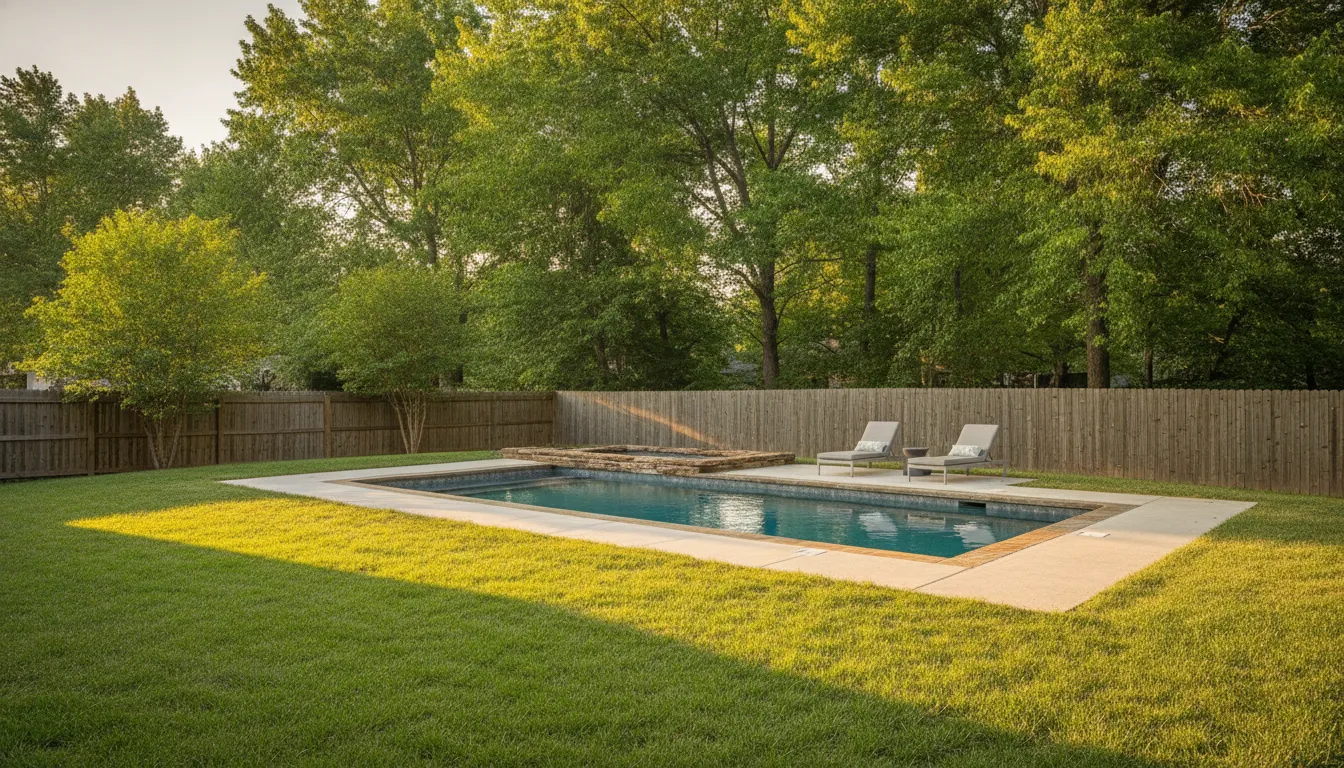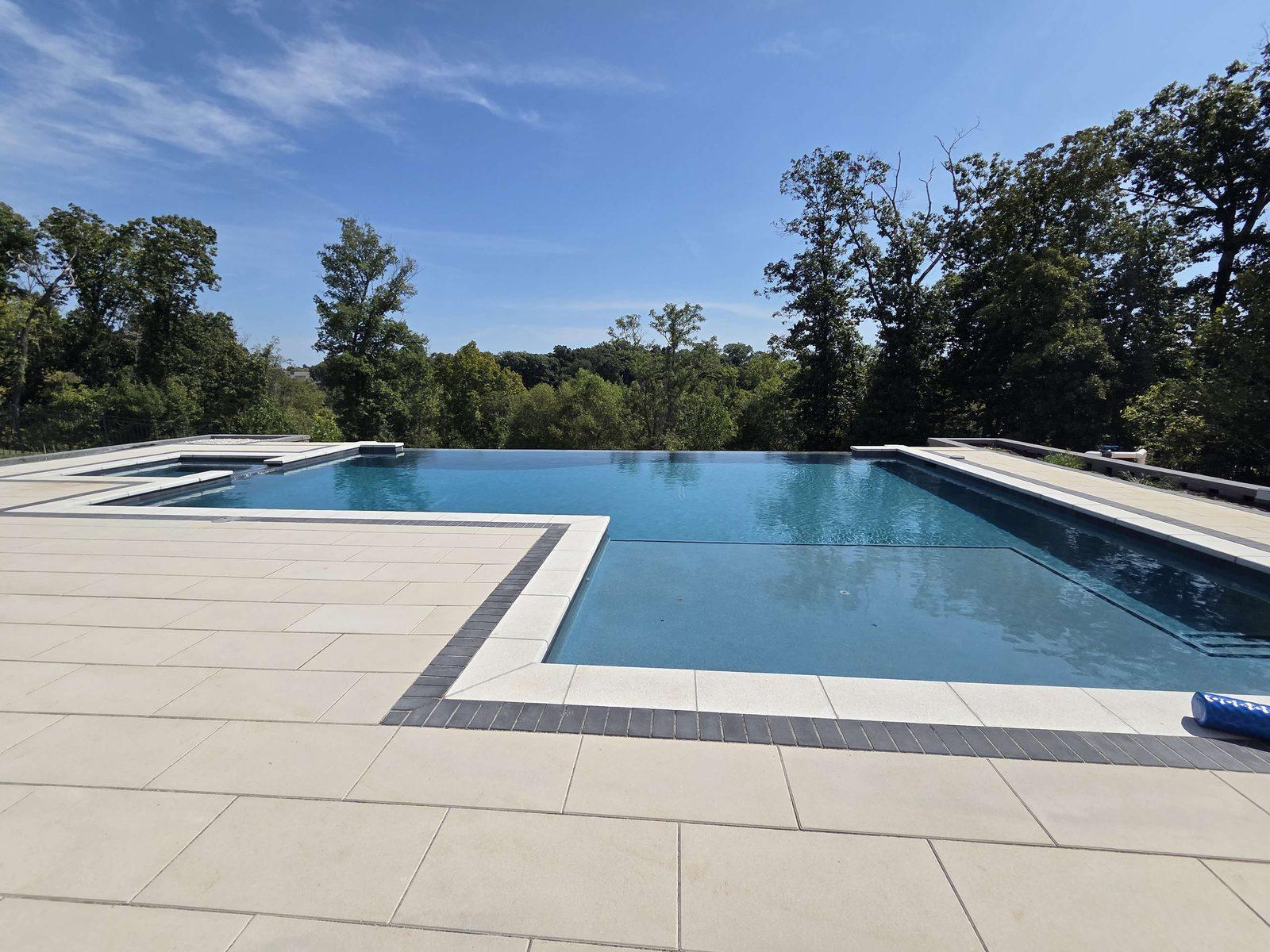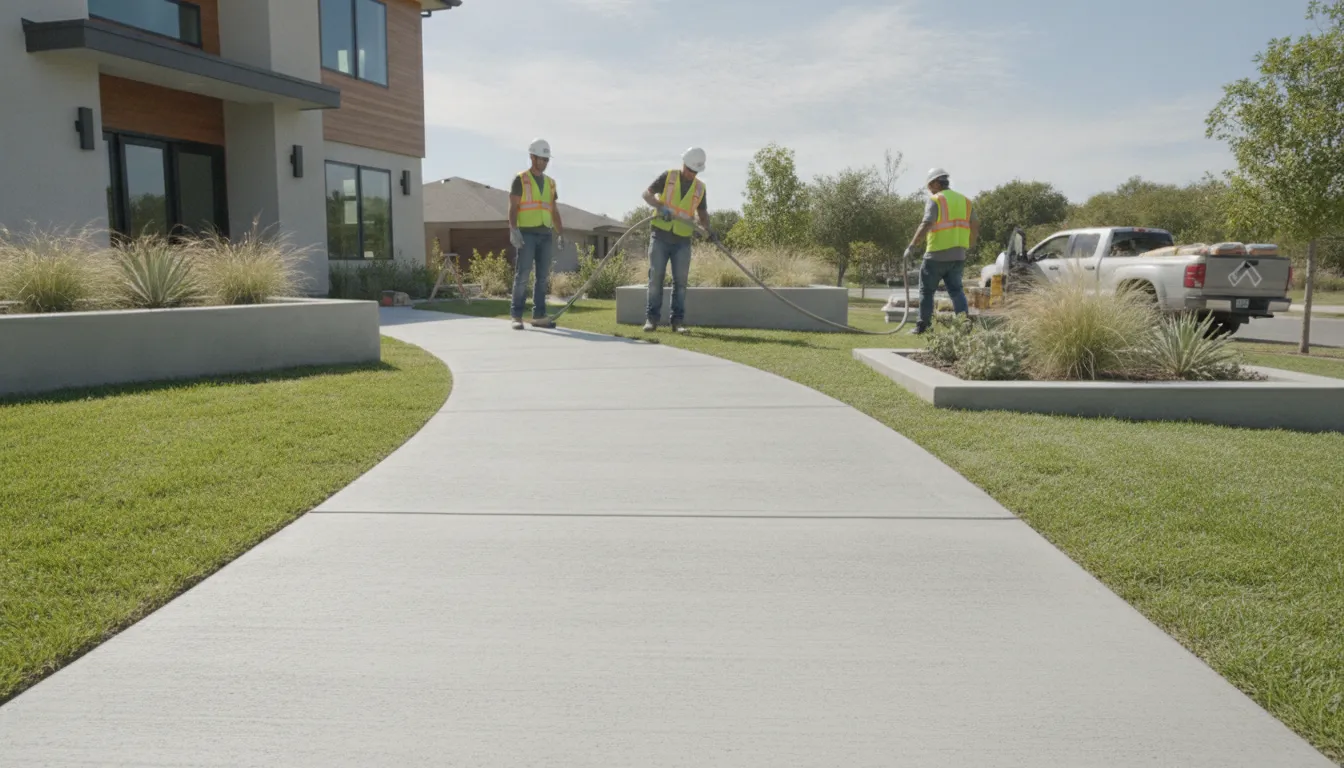
A low estimate may look appealing, but it doesn’t always cover the same work as a higher quote. One contractor might include excavation, base preparation, reinforcement, and cleanup, while another may price only the concrete installation. To understand the concrete walkway installation cost, compare the details behind each estimate, not just the total. The walkway’s dimensions, thickness, finish, site access, and any demolition can all affect the final price. We’ll walk through typical price ranges, explain what can add to the budget, and share practical questions to ask contractors serving O’Fallon, St. Charles, and nearby communities.
Key Takeaways
- Treat per-square-foot prices as a starting point: Walkway dimensions help you estimate costs, but site preparation, access, finishes, and local rates shape the final quote.
- Compare estimates line by line: Confirm each proposal covers the same specifications, preparation, removal, materials, and cleanup.
- Coordinate connected outdoor work: If your walkway meets a patio, driveway, or pool deck, plan the schedule and surface transitions with your contractor.
How Much Does Concrete Walkway Installation Cost?
Concrete walkway prices depend on more than the walkway’s length and width. The finish, ground preparation, access, and local labor and material rates all affect the quote. Use the figures below as a starting point, then ask a contractor to assess your property and price the specific work.
Typical Cost per Square Foot
A concrete walkway typically costs about $6 to $12 per square foot in the United States, according to Concrete Network’s walkway cost guide. This range is a general estimate, not a guaranteed price for a project in O’Fallon or St. Charles County.
A simple, straight path on level ground with clear equipment access may cost less than a walkway with curves, steps, decorative details, or extensive preparation. The type of finish and the amount of labor required can also affect the price.
When you request estimates, compare more than the per-square-foot rate. Confirm that each contractor is pricing the same dimensions, concrete thickness, finish, and preparation work. Ask whether the estimate includes grading, reinforcement, removal of old concrete, and cleanup. Those details help explain differences between quotes and give you a clearer picture of the project’s total cost.
Total Cost by Walkway Size and Scope
To estimate the area of a walkway, multiply its length by its width. For example, a path that is 4 feet wide and 35 feet long covers 140 square feet. At $6 to $12 per square foot, the estimated cost would be $840 to $1,680, before additional work or site-specific charges.
This calculation is useful for early budgeting, but it won’t account for every part of the job. Removing an existing path, adding steps, improving drainage, or working around landscaping can change the final price. Access for equipment and concrete delivery may also affect the scope.
For a more accurate estimate, share the walkway’s approximate dimensions and explain how you want it to connect to your home or other outdoor features. If it will meet a patio, driveway, or pool deck, ask about coordinating the concrete work. Burke Construction provides concrete installation services for outdoor projects in the area.
Why Small Walkways Can Cost More per Square Foot
A smaller walkway usually requires fewer materials, but its price per square foot may be higher than that of a larger project. Contractors still need to schedule a crew, travel to the property, prepare equipment, and coordinate concrete delivery. These costs don’t necessarily shrink in proportion to the walkway’s size.
For example, a short path may have a lower total cost than a long walkway, while the crew’s setup and travel costs make each square foot more expensive. Preparation can also account for a significant share of a small project’s budget, especially if the contractor needs to remove old concrete or work around existing landscaping.
When reviewing estimates, consider the full project price alongside the per-square-foot rate. Ask whether the contractor has a minimum charge, and confirm what the quote covers, including preparation, delivery, and cleanup.
How Local Labor and Materials Affect Costs
Concrete and labor prices vary by location, and the details of your property can affect the estimate. The concrete mix, reinforcement, ground preparation, equipment access, scheduling, and contractor availability may all play a role. Homewyse’s sidewalk cost calculator also identifies local labor and material rates, site conditions, and project scope as factors in installation costs.
For homeowners in O’Fallon, St. Charles, and nearby communities, an on-site assessment can help identify grading, drainage, soil, or access considerations before work begins. Tell the contractor about any existing concrete to remove and the finish you prefer.
Providing the same project details to each contractor makes estimates easier to compare. Ask for an itemized quote that explains the planned preparation and materials, rather than relying on a broad price range alone.
What Affects Concrete Walkway Costs?
A walkway estimate depends on more than its length and width. The amount of concrete, the layout, the surface finish, and the work needed to prepare the site all contribute to the total. A straight path on level ground may require less labor and equipment than one with curves, steps, or a sloped route. Access to the work area and the distance from the delivery truck can affect the installation plan, too.
As a general reference, the Concrete Network walkway cost guide lists typical prices of about $6 to $12 per square foot. This range can help with early budgeting, but it is not a quote for your property. Local labor and material prices, project size, and site conditions can all change the final cost.
When reviewing estimates, compare the details behind each total. Check that the proposals include the same walkway dimensions, thickness, preparation, reinforcement, and finish. Ask whether delivery, cleanup, and any removal work are included. Burke Construction offers concrete services in O’Fallon and nearby communities, and can help homeowners plan walkway work alongside other concrete projects, such as a patio or pool deck.
Walkway Size, Thickness, and Concrete Volume
A larger walkway generally requires more concrete and installation time, so its total cost often increases with its area. Thickness matters as well: a thicker slab uses more material, and the appropriate specification depends on how the walkway will be used and the conditions at the site. Ask the contractor to list the planned thickness in the estimate so you can compare quotes accurately.
For example, a path that is 4 feet wide and 35 feet long covers 140 square feet. At the Concrete Network’s typical range of $6 to $12 per square foot, that comes to about $840 to $1,680 before site-specific work or added features. Use this as an initial planning estimate, not a guaranteed price. Preparation, access, and design details can affect the final amount.
Curves, Steps, Borders, and Patterns
A straight walkway with a simple layout is generally easier to form and pour than one with multiple curves, tight turns, or changes in elevation. Steps call for additional forming and finishing, while borders and patterns require careful layout and detail work. Those added tasks can increase labor costs and, depending on the design, material needs.
Decorative finishes can also change the price. A basic broom finish is typically less involved than a stamped or patterned surface. If you have a particular look in mind, ask the contractor to price it separately from the basic walkway. That gives you a clear view of the added cost and helps you decide which features fit your plans and budget.
Excavation, Grading, Soil, Drainage, and Base Preparation
The condition of the ground beneath the walkway can affect how much preparation the project requires. Uneven areas may need grading, while existing soil, roots, or landscaping may need to be removed before the base is prepared. If water collects near the planned path, grading or drainage details may also need attention to help direct water away from the walkway.
Ask what the estimate includes for excavation, base material, and compaction. The Homewyse sidewalk installation guide outlines how cost estimates depend on installation assumptions, including materials and methods. Your contractor should explain the planned approach for your property, so you can see what preparation is covered and whether additional site work may affect the price.
Site Access, Equipment, and Concrete Delivery
The route from the street to the walkway location can influence the equipment and labor needed for installation. An open yard may allow a crew to move materials directly to the work area. A narrow side yard, limited driveway access, gates, or landscaping obstacles can make delivery and placement more involved.
Concrete delivery also requires planning. The contractor will need to determine where the truck can park and how the concrete will reach the forms. Smaller projects may have a higher price per square foot because setup, travel, and crew time still apply even when the walkway uses less material. Point out access restrictions during the site visit, and ask whether delivery or equipment charges are included in the estimate.
Concrete Mix, Reinforcement, Labor, and Local Requirements
Material choices, including the concrete mix and reinforcement, contribute to the overall cost. Estimates can vary based on specified concrete strength, slab thickness, and reinforcement method. Ask the contractor to list these details in writing, along with the labor and materials included, so you can compare proposals on equal terms.
Local labor rates, material prices, scheduling, and contractor availability can also affect the estimate. Requirements for permits or inspections may depend on the project and location, so check what applies to your property. The Homewyse cost guide identifies labor, materials, project size, and site conditions as factors in installation costs. Request an itemized quote that describes the work, materials, and any local requirements included.
How Do Finishes Affect Concrete Walkway Costs?
A walkway’s finish influences its price, appearance, traction, and upkeep. A simple texture is usually more affordable, while color, patterns, and custom details can add labor and material costs. Consider how the walkway connects to your home, patio, or pool area, and what kind of surface will work best for everyday use.
Choose a Simple, Slip-Resistant Broom Finish
A broom finish is a practical choice for many outdoor walkways. After the concrete is leveled, the contractor draws a broom across the surface to create fine ridges that help provide traction. The Concrete Network’s walkway cost guide gives a general range of $6 to $10 per square foot for basic finishes. Your actual price will depend on factors such as project size, location, and site preparation.
This texture has a straightforward appearance that suits many home styles and works well in high-traffic areas. Ask your contractor about the available textures and how the edges and transitions will be finished, especially where the walkway meets steps, a driveway, or another concrete surface.
Add Color or Decorative Borders
Color and borders can help a walkway complement your home or coordinate with nearby concrete. Mid-range finishes may include multiple colors, a stamped pattern, engraving, or a decorative border. The Concrete Network lists these options at roughly $8 to $12 per square foot, though the final price depends on the design and labor involved.
A border can add definition without covering the entire walkway in a detailed pattern. Before choosing, consider which parts of the path are most visible from your home or patio. Ask to see examples of completed work and find out how the color will be applied. If you’re planning a walkway alongside a patio or pool deck, coordinating the surfaces can bring the outdoor space together. Burke Construction’s concrete services include concrete work for residential projects in the area.
Consider the Higher Cost of Stamped, Stained, or Custom Finishes
Stamped, stained, or custom finishes can give a walkway a more distinctive look, but they generally cost more than a basic texture. Intricate patterns, hand-applied color, detailed saw cuts, stenciling, and unusual shapes can require extra materials and skilled labor. The Concrete Network lists high-end finishes at about $12 per square foot and up. Use that figure as a general guide, not a quote for your specific project.
Ask what the finish price includes. Confirm whether it covers color, pattern work, sealing, and special edge details. It’s also worth discussing how the surface may change with exposure to weather and what maintenance it will need. A custom finish may be a good fit for a prominent entryway or a walkway that connects to a patio.
Compare Finish Costs, Traction, and Maintenance
Compare finishes by more than their initial price. Broom and rock-salt textures are relatively simple options that can provide traction. Stamped or engraved designs add visual detail, and some may need additional care to maintain their appearance. The best choice depends on how the walkway will be used, how often it gets wet, and how much upkeep you’re comfortable with.
Ask your contractor how each option performs in wet conditions and whether it needs periodic sealing. If the path leads to a pool or often sits in shade and stays damp, make traction a priority. Request an estimate that spells out the finish, color, sealing, and preparation so you can compare options clearly and choose a surface suited to your budget and routine.
What Additional Costs Should You Budget For?
A concrete walkway estimate may not include every task needed to complete the project. Demolition, site preparation, drainage, permits, and debris removal can all affect the final price. Before choosing a contractor, ask what the quote covers and which costs depend on conditions at your property.
For homeowners in O’Fallon, St. Charles, and nearby communities, the walkway may also connect to a patio, driveway, or pool deck. When several outdoor areas are part of the plan, coordinating the work can make scheduling and project details easier to manage. Burke Construction provides concrete services alongside other outdoor improvements.
Remove and Dispose of an Existing Walkway
If the new path will replace old or damaged concrete, ask whether demolition and disposal are included in the estimate. The Concrete Network’s walkway cost guide puts removal at an additional $5 to $8 per square foot. The actual price may depend on the walkway’s size and thickness, access for equipment, and the cost of hauling away the broken concrete.
Confirm what the removal charge covers: breaking up the concrete, loading it, transporting it, and disposing of it. If only part of the walkway needs replacement, ask whether the contractor can remove that section and make a clean transition to the concrete that will remain. Having these details in writing makes it easier to compare estimates and understand what you’ll pay for.
Add Excavation, Base Work, Grading, or Drainage
A durable walkway starts with a stable, well-prepared base. Depending on your property, preparation may involve excavating soil, adding and compacting base material, adjusting the grade, or managing water near the path. Slopes, soft soil, tree roots, and low spots can all affect the work required.
Ask the contractor to describe the planned base preparation and clarify whether excavation, grading, and drainage work are included. The Homewyse sidewalk cost calculator lists slab excavation as an optional item, since site conditions vary. Request separate pricing for any additional work, along with an explanation of why it is needed. That way, you can review the proposed scope before installation begins.
Budget for Steps, Sealing, Permits, Inspections, and Taxes
Steps, landings, and transitions may add labor and materials, especially when the walkway crosses a slope or connects to a porch. Your contractor may also recommend sealing, depending on the finish and the care the concrete will need. Ask which of these items are included in the quote and which are priced separately.
Permits, inspections, and sales tax can affect the total as well. Requirements depend on the project and location, so check with your contractor or municipality about what applies to your property. Homewyse’s cost calculator notes that estimates may exclude permits, inspections, and taxes. Request an itemized proposal that lists applicable fees, and confirm who will arrange any required approvals.
Include Cleanup, Hauling, Maintenance, and Repairs
Clarify what cleanup involves after the concrete is poured and finished. The estimate may cover routine site cleanup and protection, while hauling excess soil, old concrete, or other debris could cost extra. Ask how the crew will protect nearby landscaping, lawns, driveways, and outdoor features during the work.
Plan for routine care, too. Follow your contractor’s instructions about when the walkway can be used and how to clean or maintain its finish. If it meets a patio or pool deck, ask whether those surfaces need different care. It’s also helpful to review the warranty and understand how to report a concern after installation. A written quote that spells out cleanup, hauling, and disposal gives you a clearer picture of the project’s full cost.
Account for Timing and Contractor Availability
Ask about the schedule as well as the price. Local labor and material costs, project size, site conditions, finish choices, and contractor availability can all affect an estimate, according to Homewyse. Weather and concrete curing time can also influence when the crew can work and when you can use the finished walkway.
Request an expected start date, an estimated project duration, and details about what could delay the work. If the walkway is part of a larger outdoor project, ask how concrete installation will fit with pool construction, fencing, or landscaping. A contractor that coordinates multiple improvements can help organize the sequence of work and make it easier to plan around access to your home.
How Can You Compare Estimates and Control Costs?
Compare estimates by looking at the work each one includes, not just the final price. Ask contractors to describe the walkway dimensions, site preparation, concrete specifications, finish, and cleanup in writing. When every bid covers the same scope, you can make a more informed choice and spot potential extra costs before work begins.
Compare Matching Dimensions, Preparation, Thickness, Reinforcement, and Finishes
Check that each estimate uses the same walkway length and width and includes comparable site preparation. Then compare the proposed concrete thickness, reinforcement, mix strength, and finish. A quote that includes excavation and a broom finish cannot be compared directly with one that only covers placing concrete.
Ask contractors to list these details in writing and explain any differences. As a reference, Homewyse’s sidewalk cost estimate is based on assumptions such as concrete at least four inches thick, fiber-mesh reinforcement, 3,500 PSI concrete, and a broom finish. These are estimating assumptions, not a recommendation for every property. Your contractor should explain which specifications suit your walkway and site conditions.
Confirm Quotes Include Materials, Labor, Demolition, Cleanup, and Disposal
Ask whether the price covers the complete project, from removing an existing walkway to hauling away debris. Confirm that materials, labor, excavation, base preparation, forms, reinforcement, finishing, and cleanup are included. If a task is excluded, ask for its expected cost so you can compare the full project price.
Also discuss how the crew will protect nearby landscaping, steps, driveways, and utility areas. Ask what happens if workers uncover soft soil, buried debris, or another condition that changes the scope. A written estimate should explain how those changes are approved and priced. The Concrete Network’s walkway cost guide outlines common cost factors you can ask contractors to address in their bids.
Ask About the Schedule, Concrete Crew, Warranty, and Payment Terms
Ask for an expected start date, project duration, and details about how weather may affect the schedule. Find out who will complete the work and whether the crew pouring the walkway is employed by the contractor or comes from a separate company. Clear roles make it easier to know who to contact with questions.
Before you sign, review the warranty and payment schedule. Ask what the warranty covers, how long it lasts, and how to report a concern. Confirm the deposit, payment milestones, and final payment terms in writing. If you are planning other improvements in O’Fallon or nearby communities, ask how the walkway installation can fit around that work. A clear schedule is especially helpful when coordinating access to the yard or driveway.
Choose a Simple Layout and Practical Finish
A straight walkway with a standard broom finish can keep the design and installation straightforward. Curves, borders, steps, and decorative patterns may require extra forming and finishing, so ask how each feature affects the estimate. Choose a layout that suits the route you use, such as connecting the driveway to the front entrance or linking a patio to the yard.
Think about traction and upkeep as well as appearance. A broom finish has a textured surface that can be practical for a path exposed to rain. If you prefer a decorative treatment, request samples and ask about care requirements. The Concrete Network’s walkway guide shows finish options to discuss with your contractor. Compare the added cost with the look and maintenance you want over time.
Protect Costs by Prioritizing Base Preparation, Drainage, and Proper Thickness
The ground beneath a walkway affects how well the finished surface performs. Ask how the contractor will excavate, prepare the base, and manage water around the path and nearby structures. The right plan depends on your property’s soil, slope, and existing drainage, so ask the contractor to explain the approach for your site.
Review the proposed thickness and reinforcement, too. A path intended for foot traffic may have different requirements from an area that could support heavier loads. Ask the contractor to document the specifications and identify site conditions that could change the price. Cutting back on preparation can affect the quality of the finished walkway, so compare estimates based on the work needed for a stable, properly drained surface, not just the lowest upfront cost.
Ask About Coordinating Walkway, Patio, Pool Deck, or Other Concrete Work
If you are planning a patio, pool deck, driveway, or other concrete project, ask whether the work can be scheduled together. Coordinating projects may simplify equipment planning and site access, though any savings depend on the scope and conditions at your home. Request itemized pricing for each part so you can choose what to complete now and what to schedule later.
A shared plan can also help create consistent finishes and smooth transitions between outdoor areas. Burke Construction offers concrete services and inground pool construction in the St. Charles County area. If you are considering connected improvements, ask how the walkway will meet existing or planned surfaces and who will coordinate the schedule for each part of the project.
Weigh DIY Savings Against the Tools, Time, and Skills Required
Installing a walkway yourself may reduce labor costs, but include more than the concrete price in your budget. You may need to rent tools, arrange delivery, excavate and compact the base, build forms, place reinforcement, and finish the surface at the right time. The job also takes physical effort and enough help to manage the pour.
Consider the path’s size and design before deciding. A short, straight walkway may be more manageable than a long path with curves, steps, or drainage challenges. The Concrete Network’s DIY sidewalk guide can help you assess the work involved. If you hire a contractor, ask which preparation and cleanup tasks are included. Compare the complete DIY cost, including equipment and materials, with the written contractor estimate.
Consider a Contractor That Handles Concrete Work In-House
A contractor with an in-house concrete crew gives you one main point of contact for questions about the scope, schedule, and installation. This can help when you are coordinating a walkway with a patio, pool deck, or other outdoor improvements. Ask who will perform each part of the job and whether any work will be subcontracted.
Burke Construction says it handles concrete work in-house rather than subcontracting it. If you are planning several improvements, ask how the team would sequence the work and coordinate finishes and transitions between surfaces. As with any contractor, review the written scope, payment terms, and warranty before you commit. A detailed estimate and a clear understanding of who is responsible for the work will help you plan with confidence.
Frequently Asked Questions
How much should I budget for a concrete walkway?\ A broad starting estimate is $6 to $12 per square foot for a basic walkway. Your total may be higher if the job needs demolition, drainage work, steps, or a decorative finish. Ask for an on-site estimate to get pricing based on your property.
What information should I provide when requesting an estimate?\ Share the walkway’s approximate length and width, the route you have in mind, and any preferred finish. Mention existing concrete, slopes, drainage concerns, landscaping, and access restrictions. These details help contractors assess the work and prepare a more useful quote.
Which concrete walkway finish works well for wet areas?\ A textured broom finish is a practical option for many outdoor paths because its surface can provide traction. For a walkway near a pool or in a shaded area that stays damp, ask the contractor about suitable textures and how to maintain them.
Why might two walkway estimates differ?\ Quotes may include different assumptions about concrete thickness, reinforcement, base preparation, removal, finish, and cleanup. Ask each contractor to describe the scope in writing so you can compare the same work rather than relying only on the total price.
Can I coordinate a walkway with a patio or pool deck project?\ Yes. Discuss the timing and transitions between surfaces before work begins. Burke Construction handles concrete work in-house and offers walkway, patio, and pool deck services, which may help homeowners coordinate connected outdoor improvements.